Double-click to edit...
Our Vision
The nervous system continuously adapts to changing physiological demands while maintaining remarkably reliable information processing. Understanding the principles that enable this flexibility—and why they fail in aging and disease—is a central challenge in neuroscience.
We combine quantitative neurophysiology, advanced imaging, computational biology, and cross-species experimental systems to connect molecular mechanisms with neural computation, circuit stability, and behavior. We use mechanistic modeling, quantitative inference, and simulation to integrate experimental data, distinguish between competing biological mechanisms, and generate testable predictions. By integrating genetically tractable model organisms with patient-derived human neurons, we seek to establish predictive principles of adaptive nervous system function.
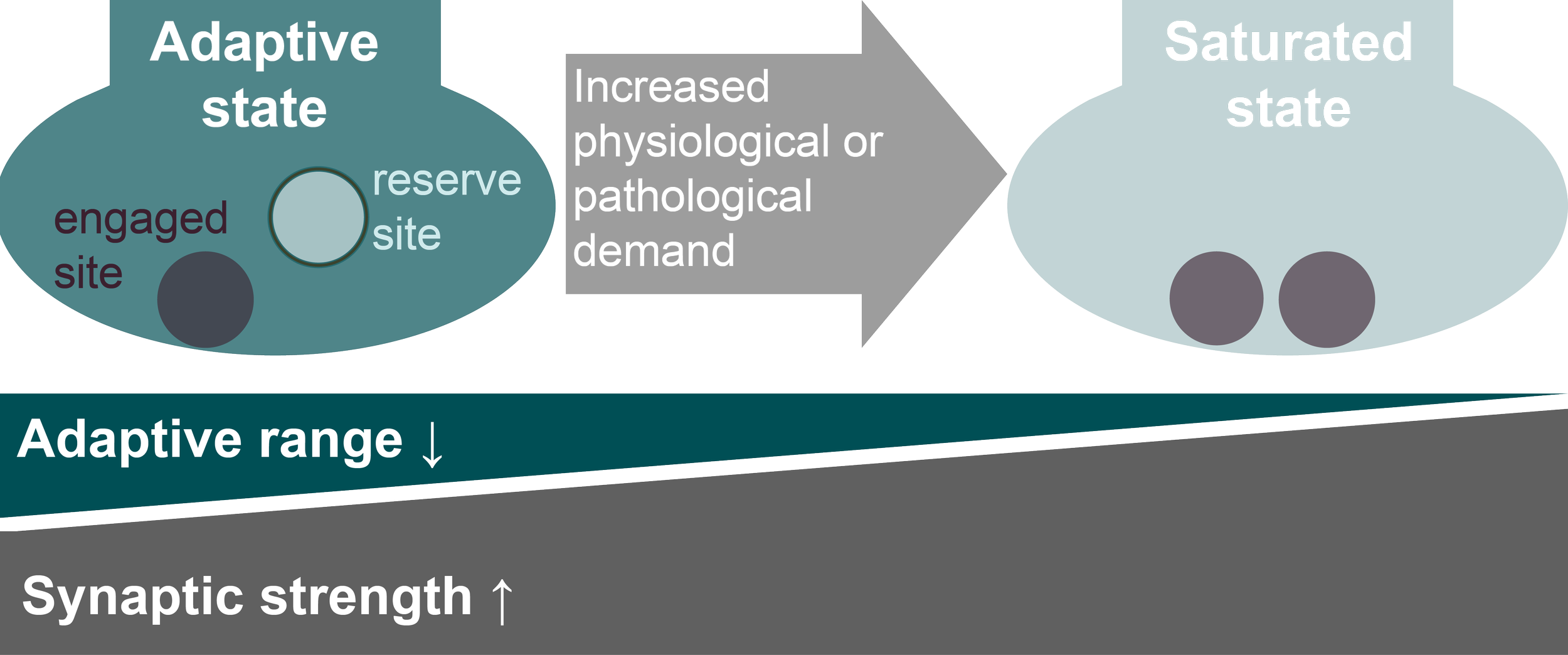
Our work identifies presynaptic release sites as conserved hubs for adaptive regulation. We investigate how their dynamic organization supports information processing across timescales ranging from milliseconds to chronic physiological and pathological challenges.
Our research is supported by the European Research Council and the Novo Nordisk Foundation.
Research
Our laboratory investigates the principles that enable neural circuits to compute, adapt, and remain functional across changing physiological conditions and neurological disease. By integrating quantitative neurophysiology, advanced imaging, computational biology, and cross-species experimental systems, we develop mechanistic and predictive explanations of how molecular and cellular processes shape circuit stability, behavioral flexibility, and nervous system function.
Neural Computation
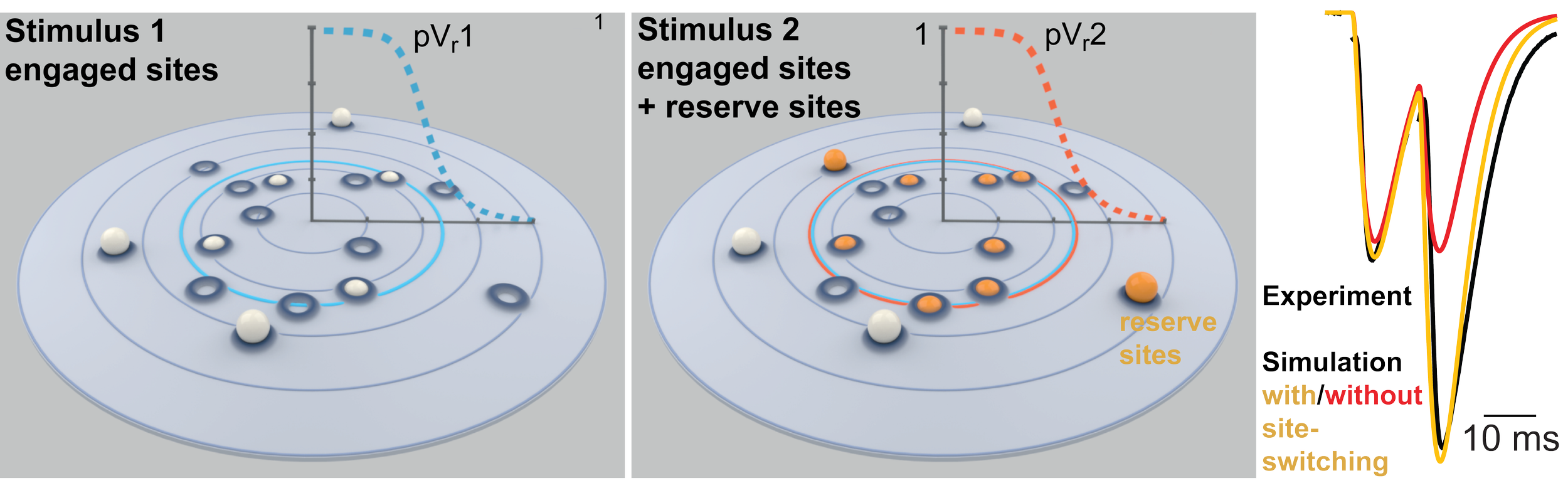
Neural circuits continuously transform patterned electrical activity into meaningful information. We investigate how millisecond-scale regulation of neurotransmitter release shapes neural computation through short-term synaptic plasticity, temporal coding, and neuromodulatory signaling. By combining quantitative electrophysiology and advanced imaging with mechanistic modeling, parameter inference, and simulation, we seek to identify the principles that govern synaptic information processing and generate experimentally testable predictions across a wide range of physiological conditions.
Synaptic Adaptation & Resilience
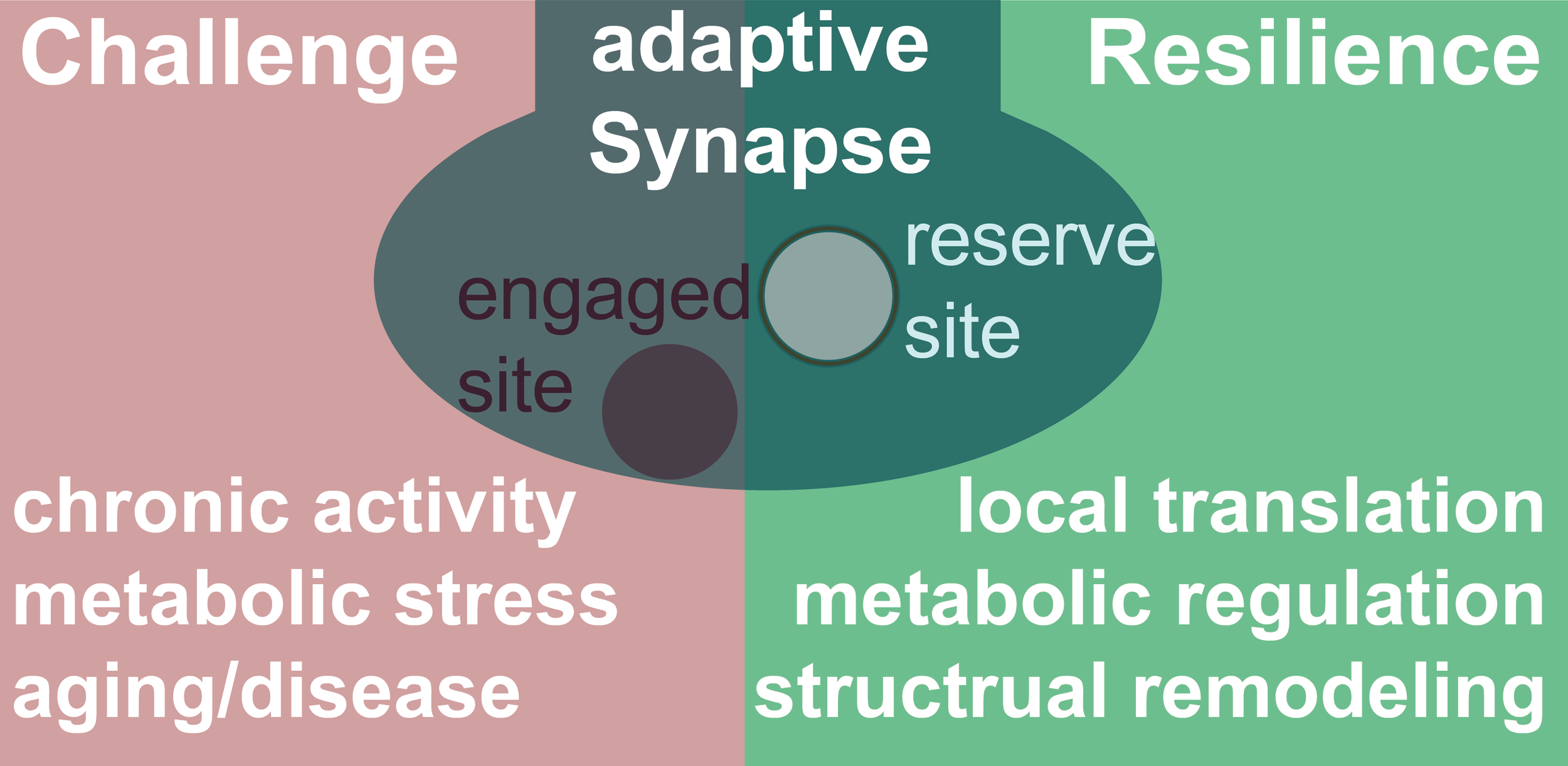
Neural computation must remain reliable despite changing physiological demands and environmental challenges. We investigate how synapses preserve and adapt their computational properties over timescales ranging from minutes to days through homeostatic plasticity, local protein synthesis, metabolic regulation, and structural remodeling. By linking molecular and synaptic mechanisms to circuit and organismal responses, we examine how neural function remains resilient during altered activity, metabolic stress, aging, and disease. Our work aims to reveal the mechanisms that maintain stable information processing while enabling long-term functional flexibility.
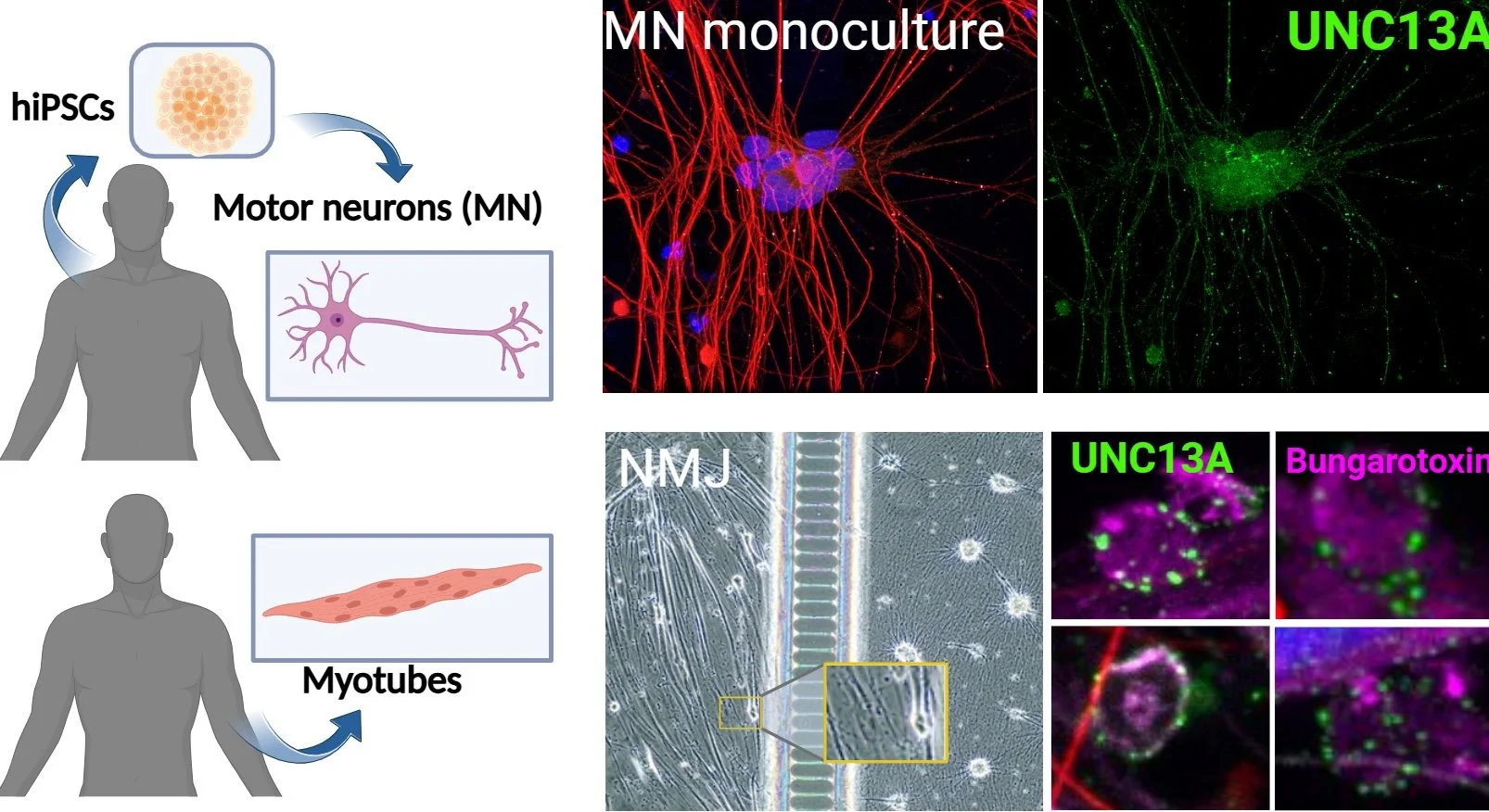
Human Disease Models
Understanding the principles of neural computation and resilience provides a foundation for discovering why synapses fail in neurological disease. We combine patient-derived induced pluripotent stem cell (iPSC) neurons with quantitative functional assays to investigate how disease-associated genetic variation disrupts presynaptic function and adaptive plasticity. By translating mechanistic insights from genetically tractable model systems into human neurons, we aim to uncover conserved mechanisms of synaptic resilience and identify new therapeutic opportunities.
Approaches & Expertise
We integrate quantitative experiments, computational biology, and complementary experimental systems to connect molecular mechanisms with synaptic function, neural computation, organismal adaptation, and disease.
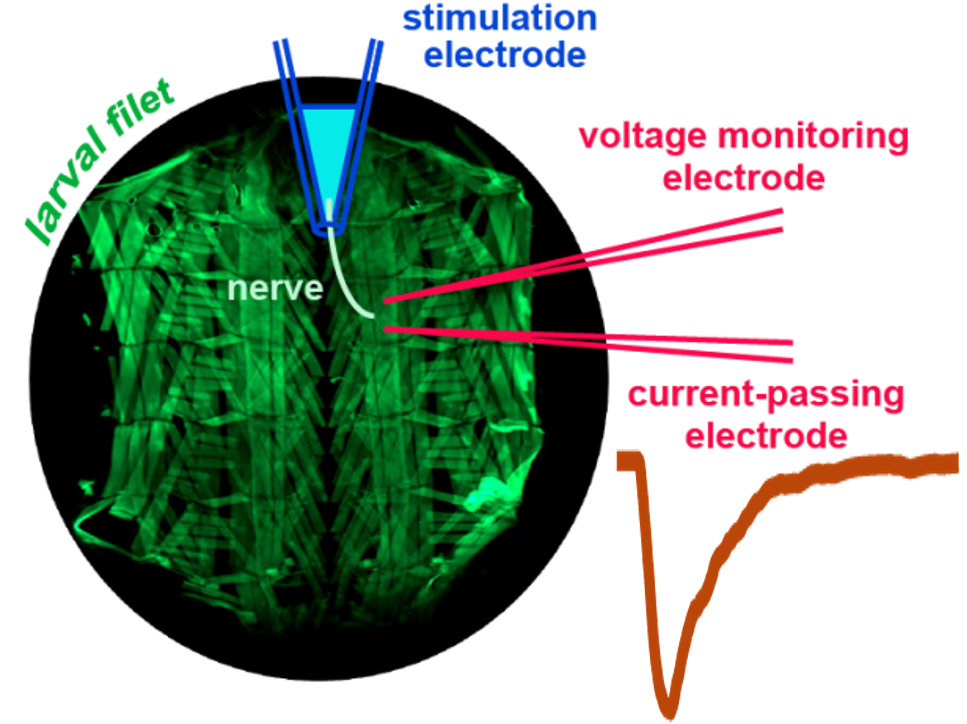
Quantitative Neurophysiology
We use electrophysiological and optical measurements to quantify synaptic and neuronal function across timescales ranging from milliseconds to long-term adaptation.
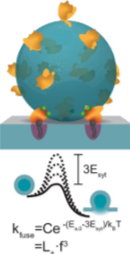
Computational Biology
We use mechanistic modeling, parameter inference, simulation, and data-driven analysis to integrate experimental measurements, distinguish between competing biological mechanisms, and generate experimentally testable predictions.
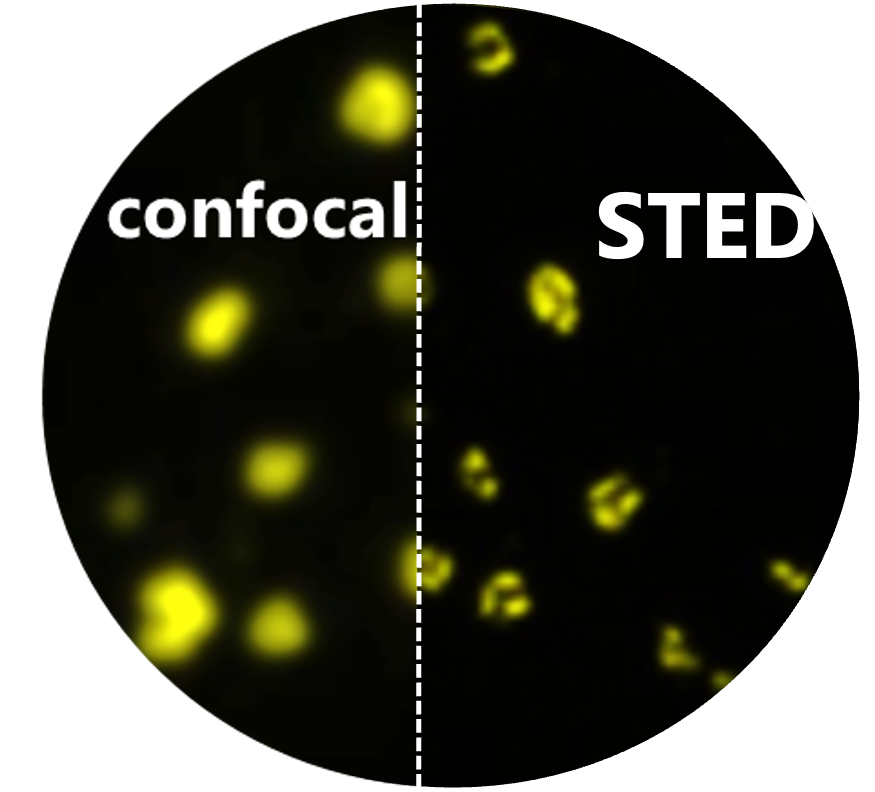
Advanced Imaging
Live imaging, quantitative fluorescence microscopy, and super-resolution imaging allow us to resolve molecular organization, structural remodeling, and dynamic changes at synaptic release sites.

Experimental Systems, Genetics & Organismal Analysis
We combine Drosophila genetics with synaptic, circuit, and organismal analyses to investigate how neural function adapts to changes in activity, metabolism, aging, and disease-related stress. Patient-derived induced pluripotent stem cell (iPSC) neurons allow us to test whether mechanisms discovered in genetically tractable model systems are conserved in human neurological disease.
Molecular & Biochemical Analysis
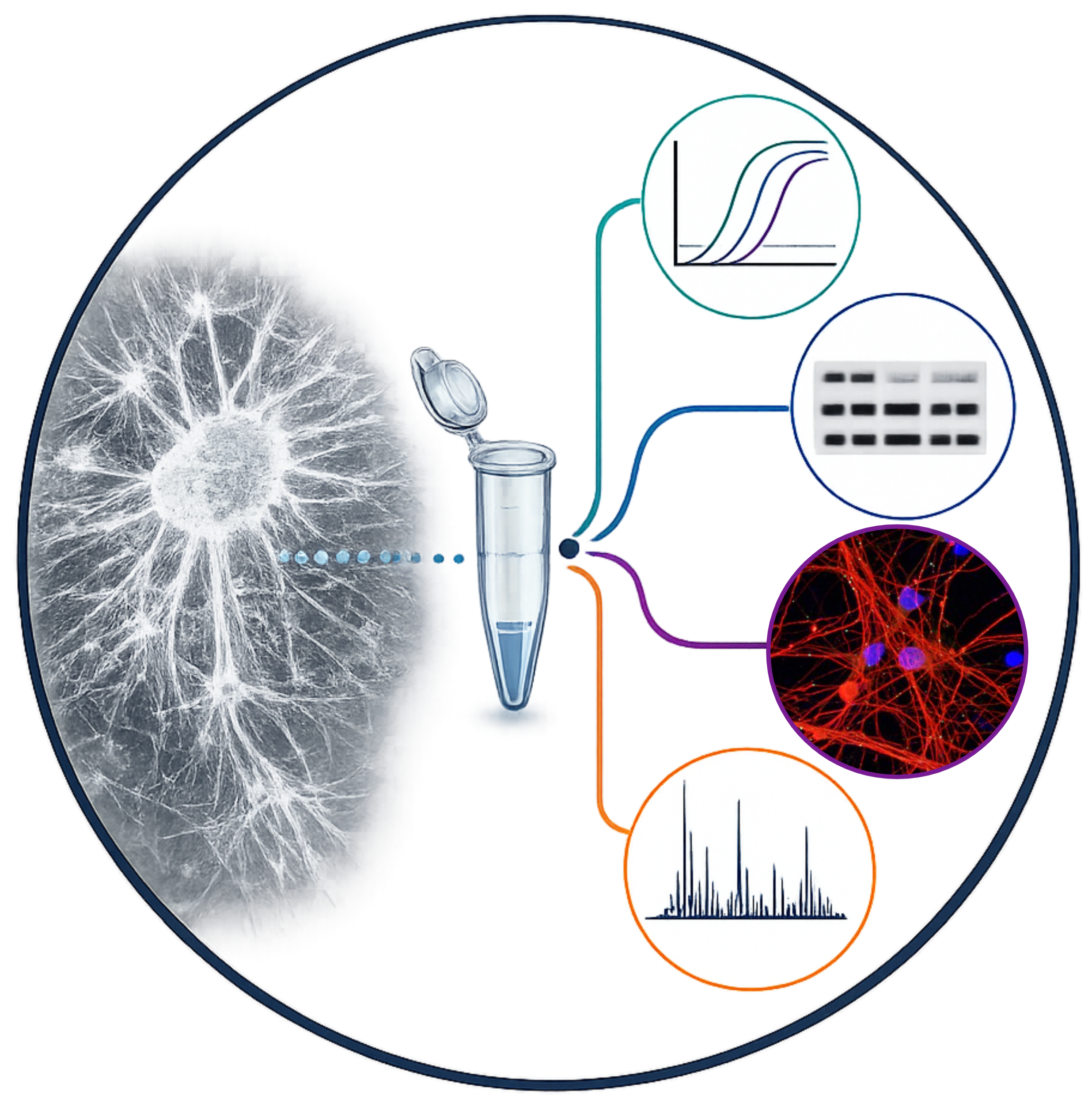
To understand how synapses adapt to changing physiological and pathological conditions, we integrate molecular and biochemical approaches to identify the signaling pathways, molecular interactions, and local protein synthesis mechanisms that support synaptic resilience. Our methods include qPCR, Western blotting, immunoprecipitation, proximity ligation assays (PLA), puromycin-based proximity ligation assays (Puro-PLA), and LC–MS-based neurotransmitter profiling.
Meet the team:
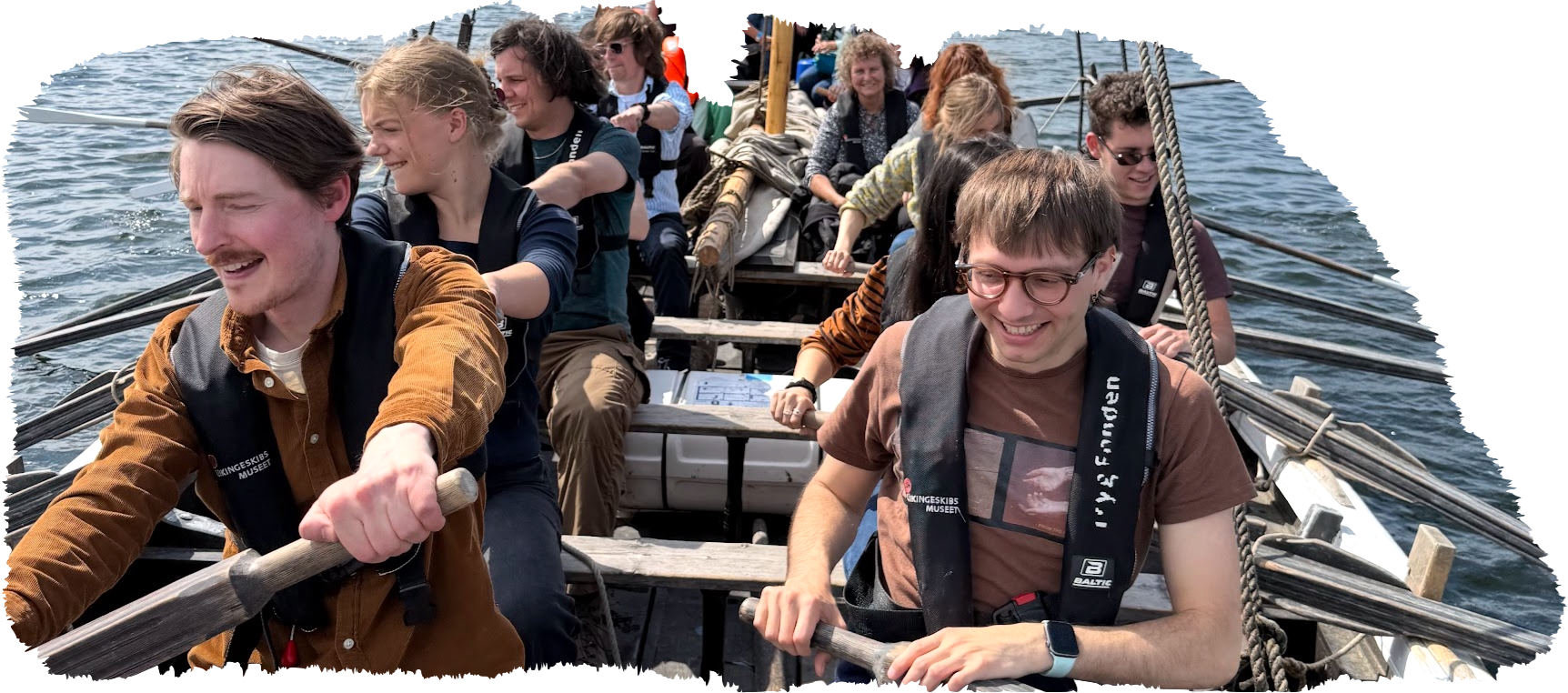
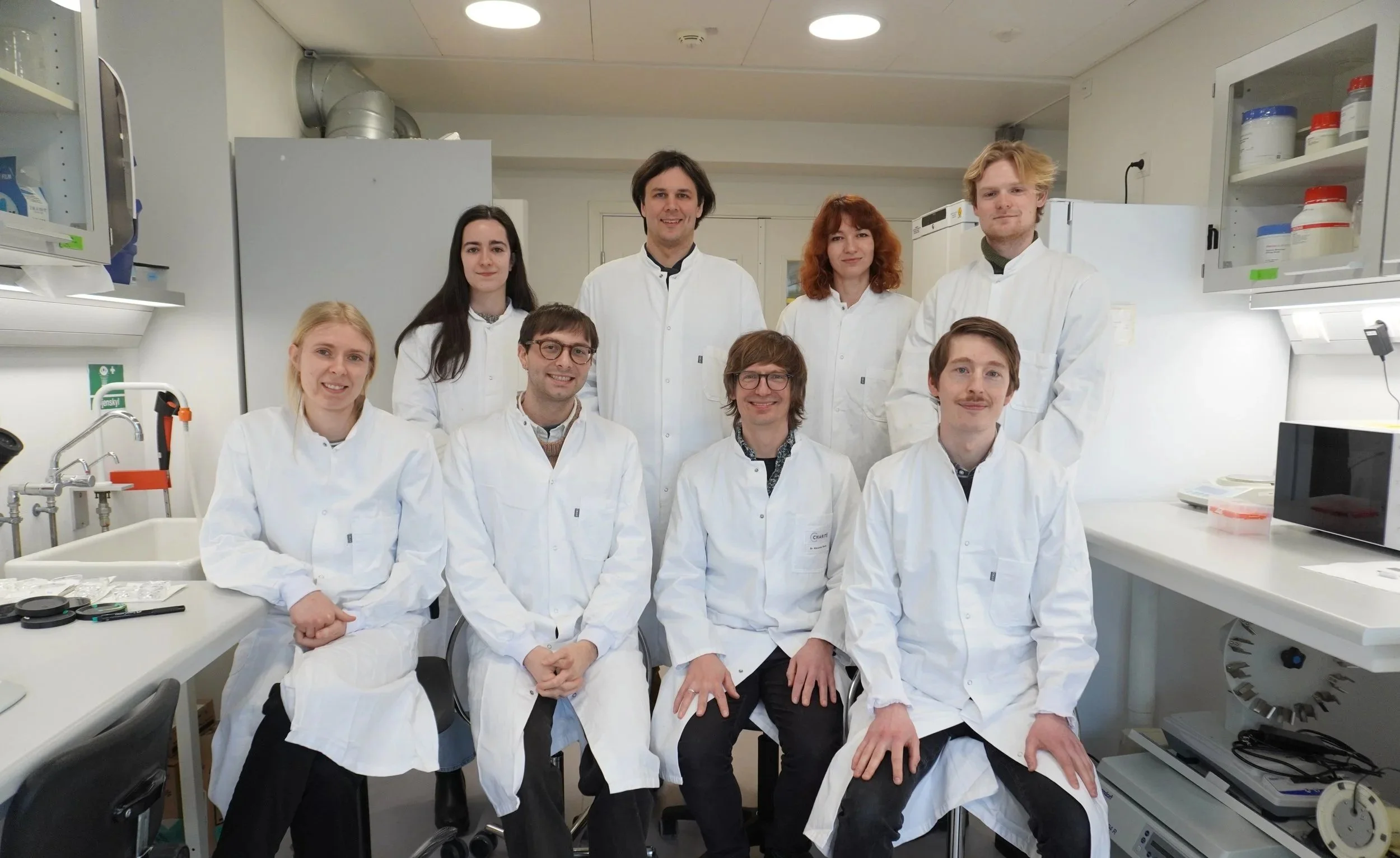
The Walter Lab aboard a Viking ship, 2026

Prof. Dr. Alexander M. Walter
Principal Investigator
Quantitative neurophysiology, computational biology, and synaptic plasticity

Dr. Kavya Vinayan Pushpalatha

Dr. Christian Christensen
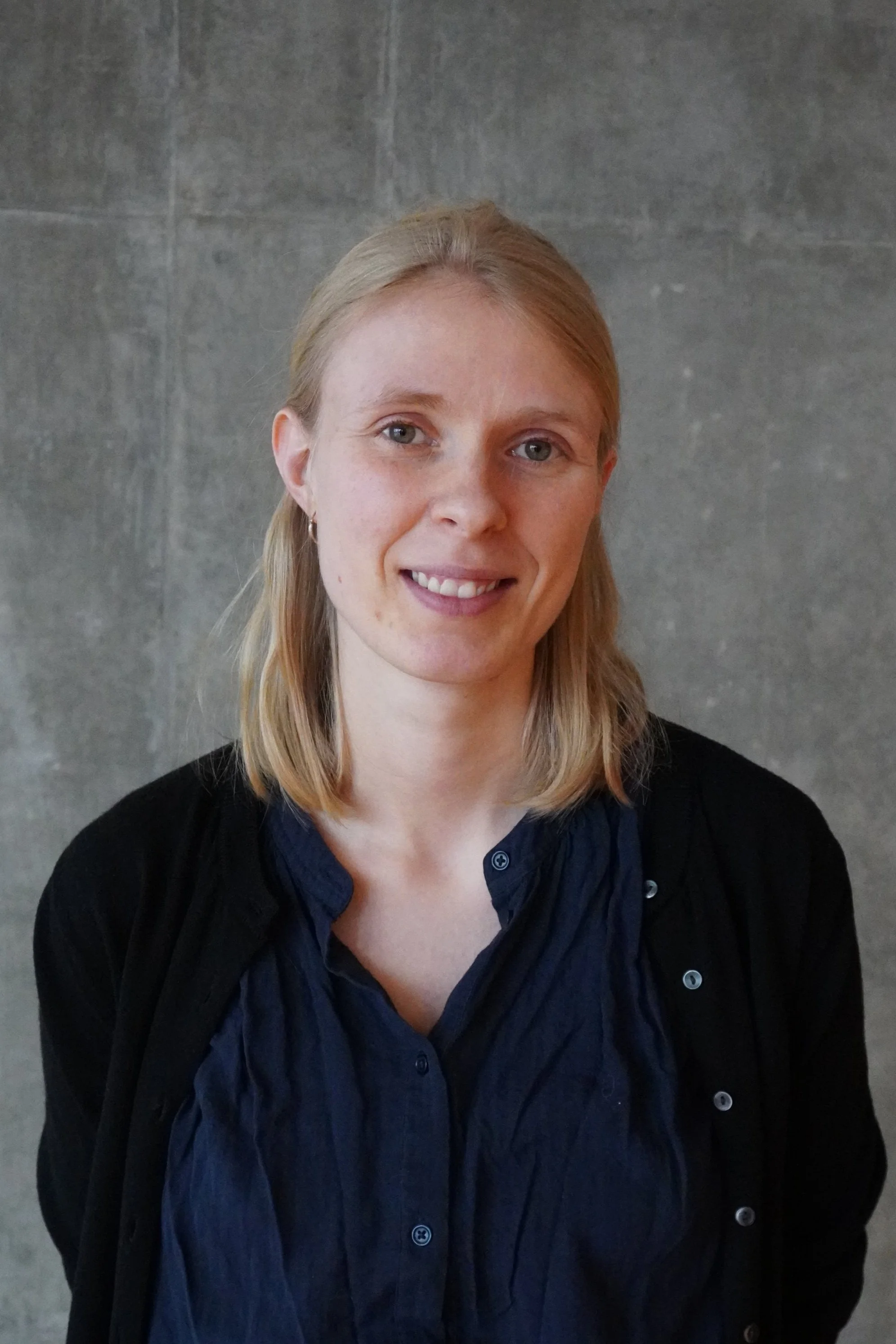
Anna Schrøder Lassen

Keagan Scott Chronister, M.Sc.
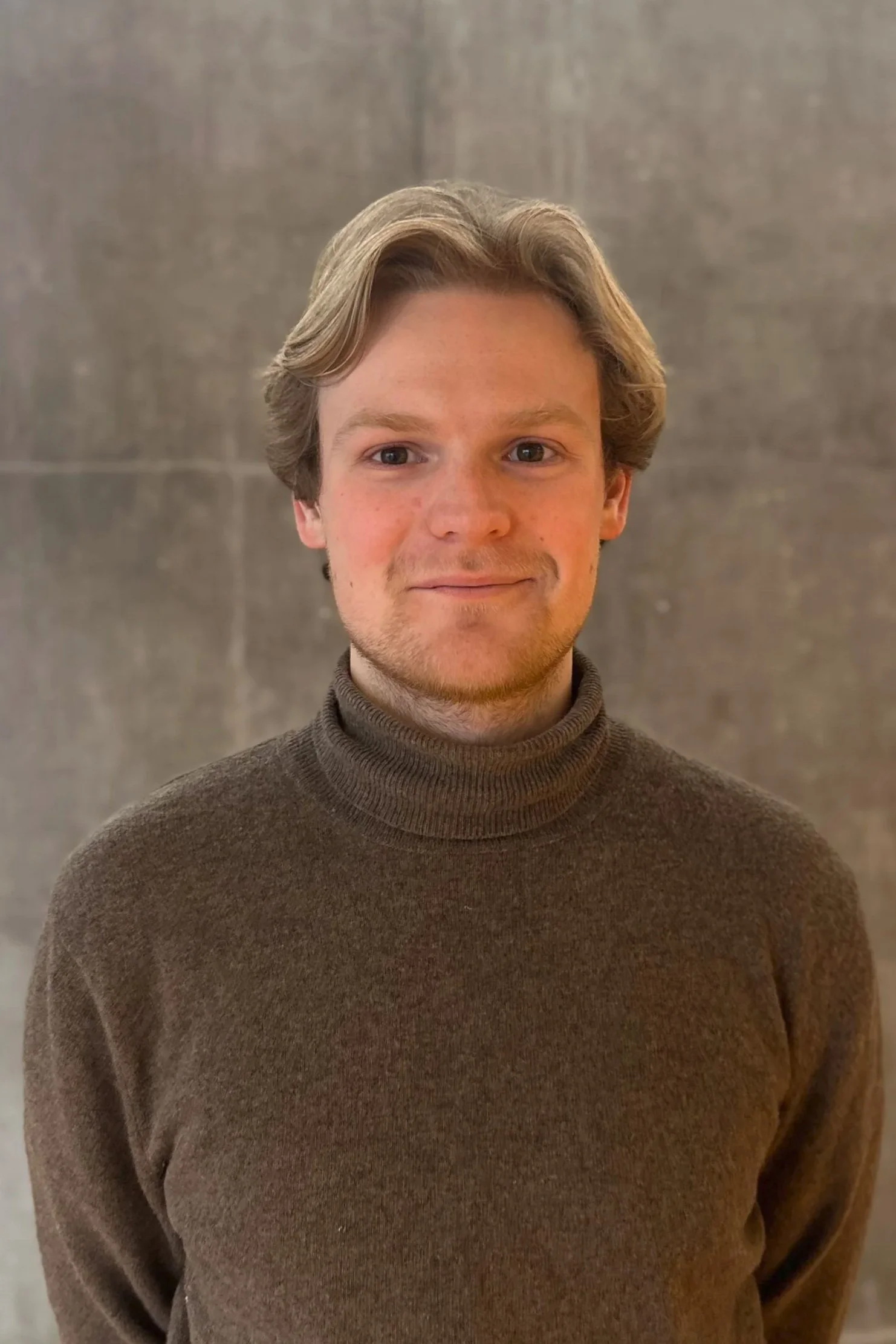
Asger Marschall-Booth
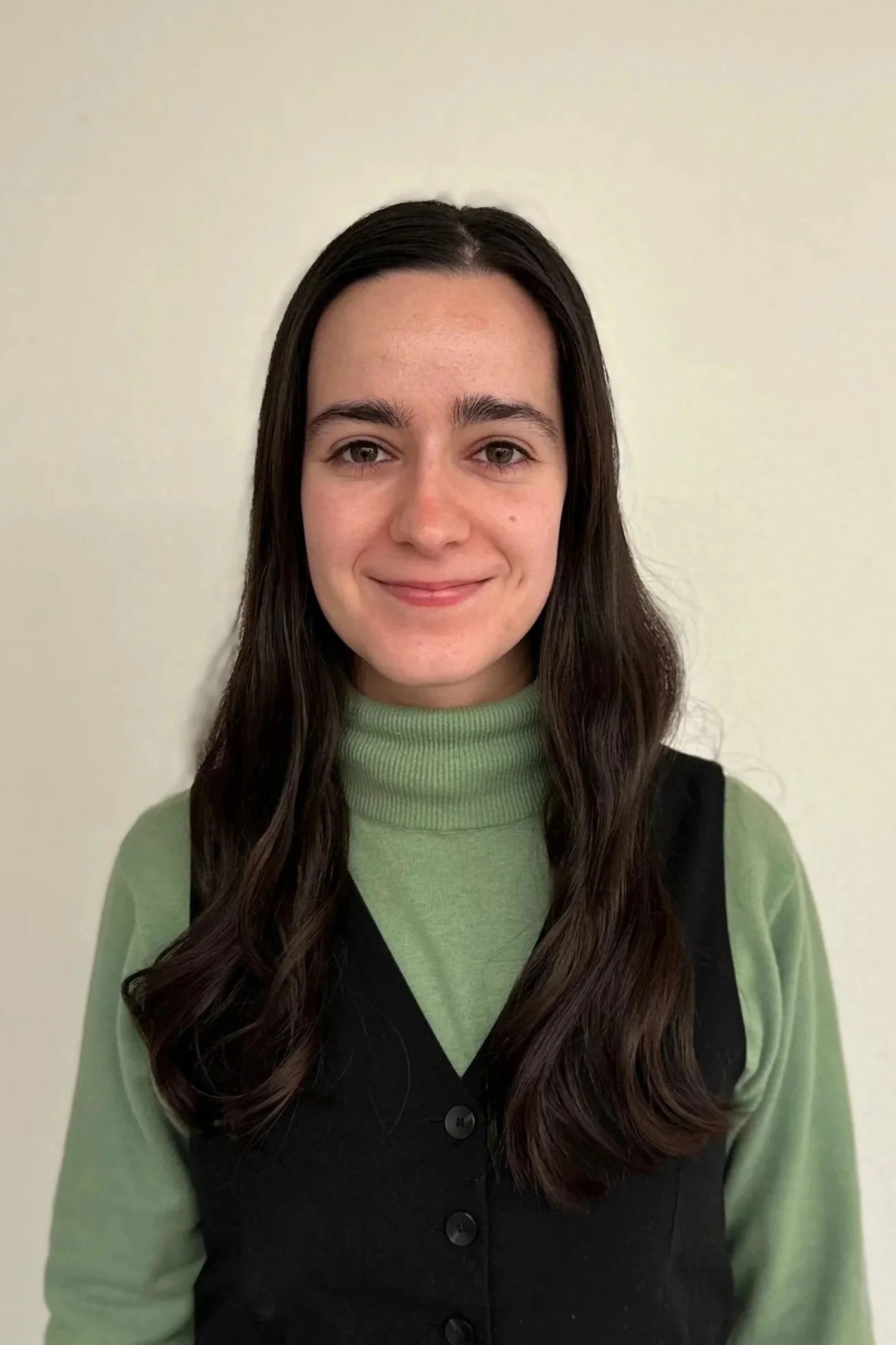
Maider Gonzalez-Muxika

Dr. Vera Kovaleva

Dr. Simone Bærentzen
Lab Operations Manager
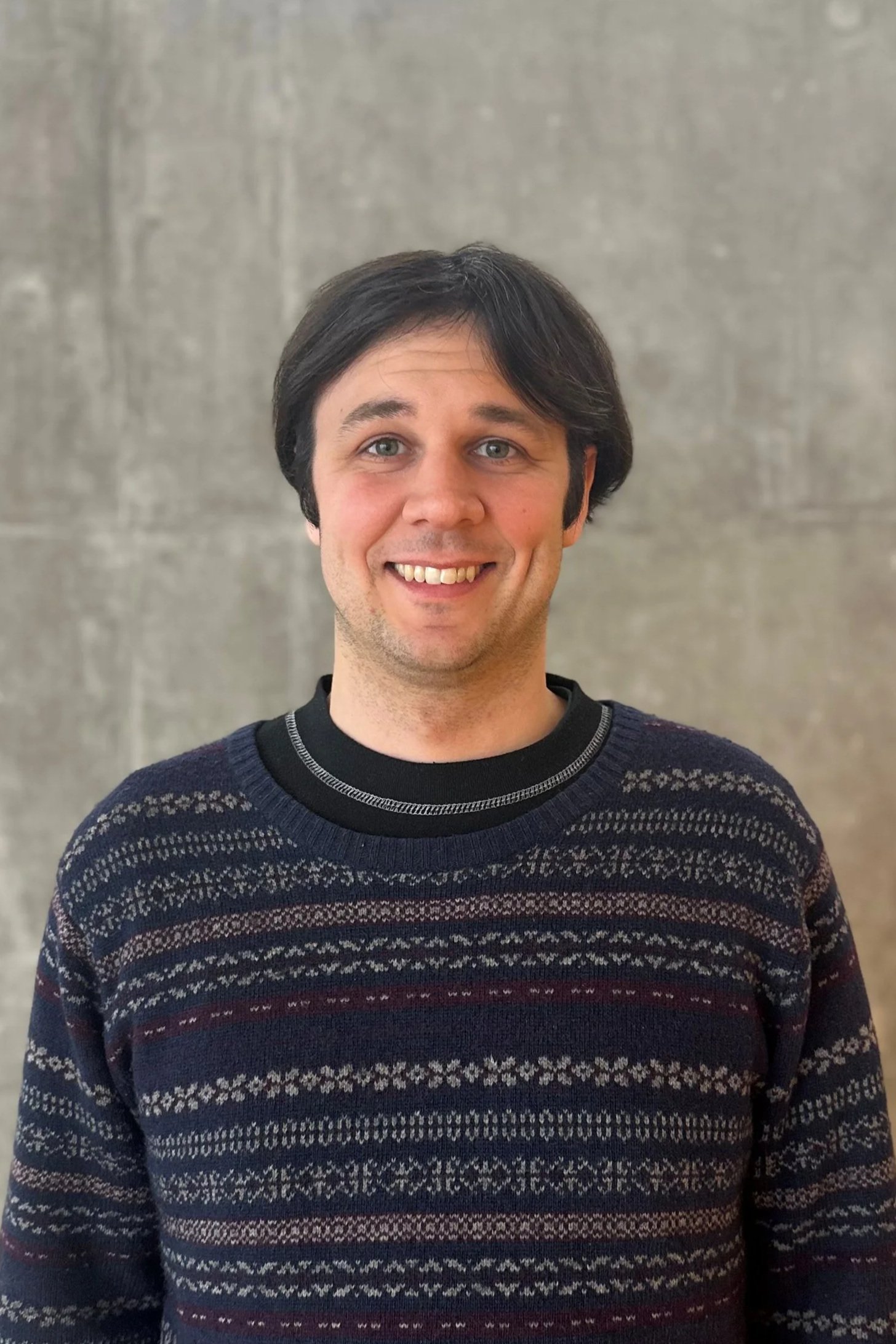
Pontus Uddström, M.Sc.
Join the walter lab
The Walter Lab investigates the principles that enable neural circuits to compute, adapt, and remain functional across changing physiological conditions and neurological disease. We combine quantitative neurophysiology, advanced imaging, computational biology, and cross-species experimental systems to uncover the molecular mechanisms underlying synaptic function and plasticity.
We welcome outstanding researchers at all career stages who are excited by fundamental questions in neuroscience and enjoy working at the interface of quantitative biology, physiology, imaging, and computational approaches. Experience in any of these areas is valuable, but curiosity, creativity, and a collaborative mindset are equally important.
If you are interested in joining the Walter Lab, please send your CV together with a brief statement outlining your research interests and motivation to Prof. Dr. Alexander M. Walter here.